

Thailand
Thailand is a Southeast Asian nation known for its rich culture, strong Buddhist traditions, tropical landscapes, and complex political history. Formerly called Siam until 1939, Thailand is the only country in Southeast Asia that was never formally colonized by a European power.
Thailand is a constitutional monarchy with a parliamentary system, though the military has played a major role in politics for decades through multiple coups and periods of military rule. The monarchy remains highly respected and influential in Thai society, and the current king is Maha Vajiralongkorn.
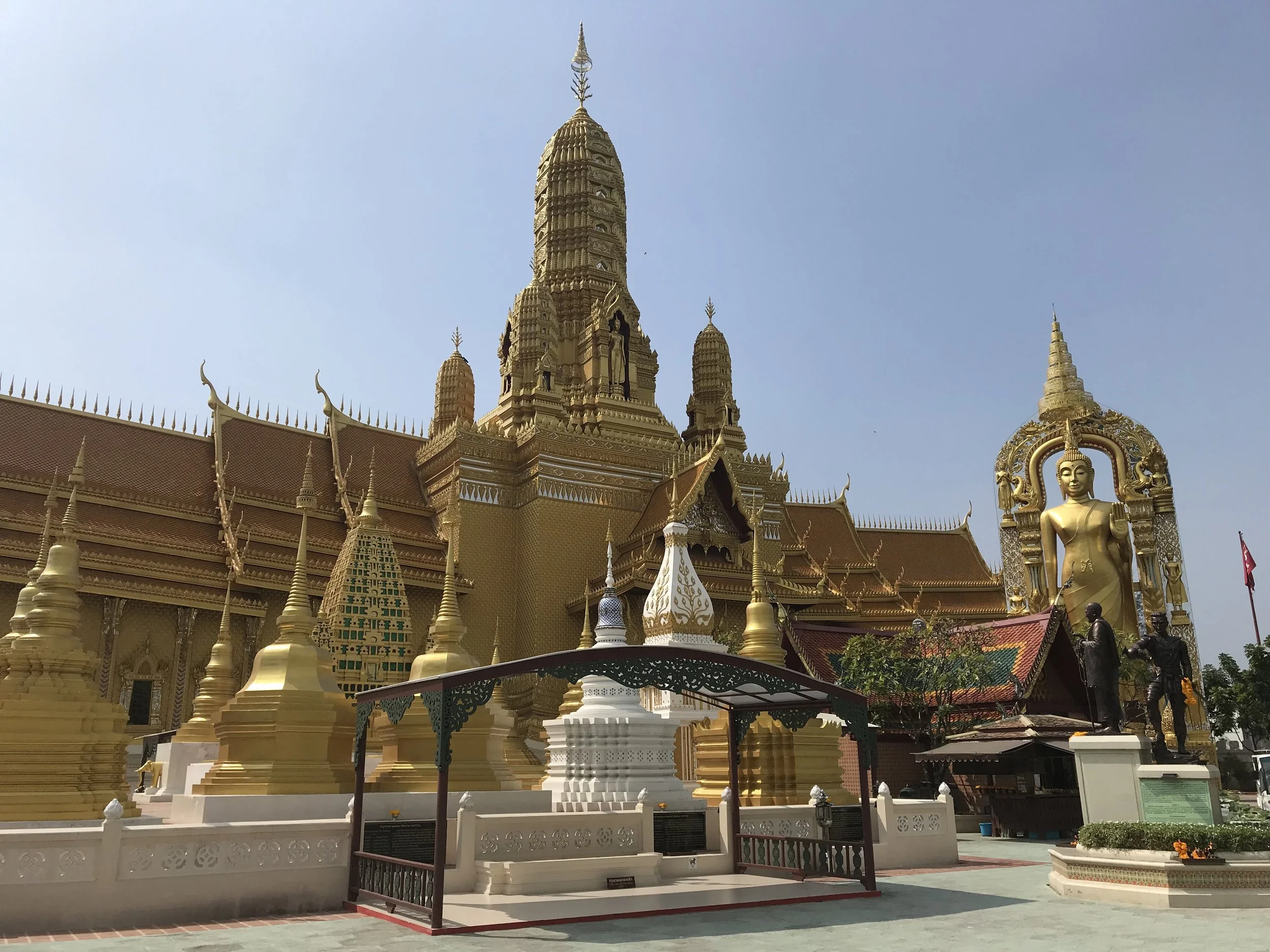
Buddhism strongly shapes Thailand’s culture, traditions, and daily life. Although the Thai constitution guarantees freedom of religion, the country’s identity is deeply rooted in Theravada Buddhism, and the king is constitutionally required to be a Theravada Buddhist. Approximately 93.6% of the population practices Buddhism, while Muslims make up 4.9% of the population—primarily in southern Thailand—and Christians account for about 1.2%. Buddhist temples - called “wats”, festivals, and merit-making traditions remain central to Thai society.
Thai culture places strong importance on respect, family, hospitality, and social harmony. The traditional greeting, called the “wai,” involves a slight bow with hands pressed together in prayer-like fashion. Thailand is often referred to as the “Land of Smiles” because of the friendliness and politeness commonly shown in social interactions.
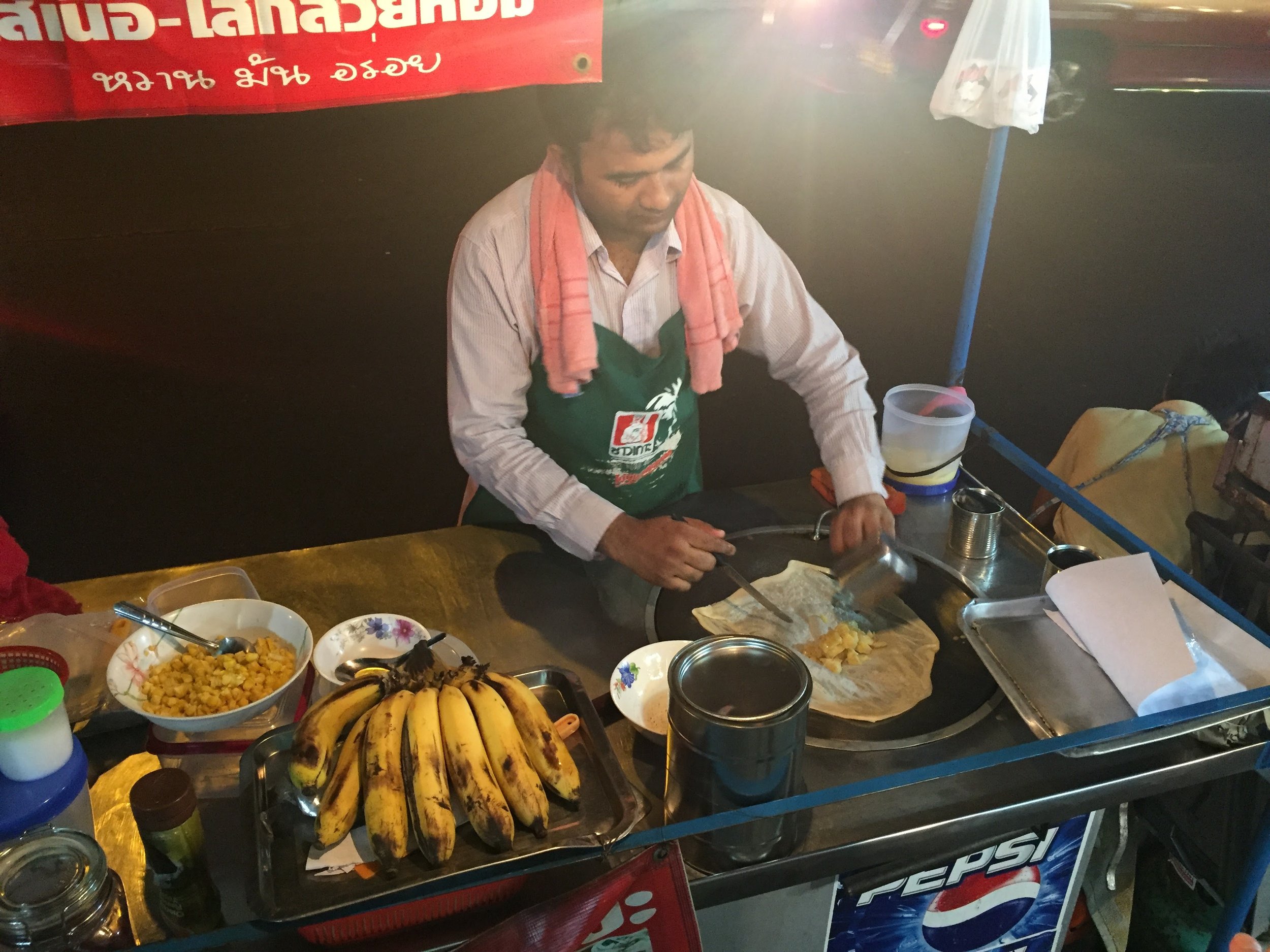
Thailand is also famous for its cuisine, including dishes such as Pad Thai, green curry, tom yum soup, and mango sticky rice. Street food plays a major role in everyday life and is internationally recognized for its flavor and variety.
Tourism is a major part of Thailand’s economy. Popular destinations include Bangkok, known for its temples and nightlife; Chiang Mai, famous for mountains and cultural heritage; and islands such as Phuket and Koh Samui, known for beaches and resorts.
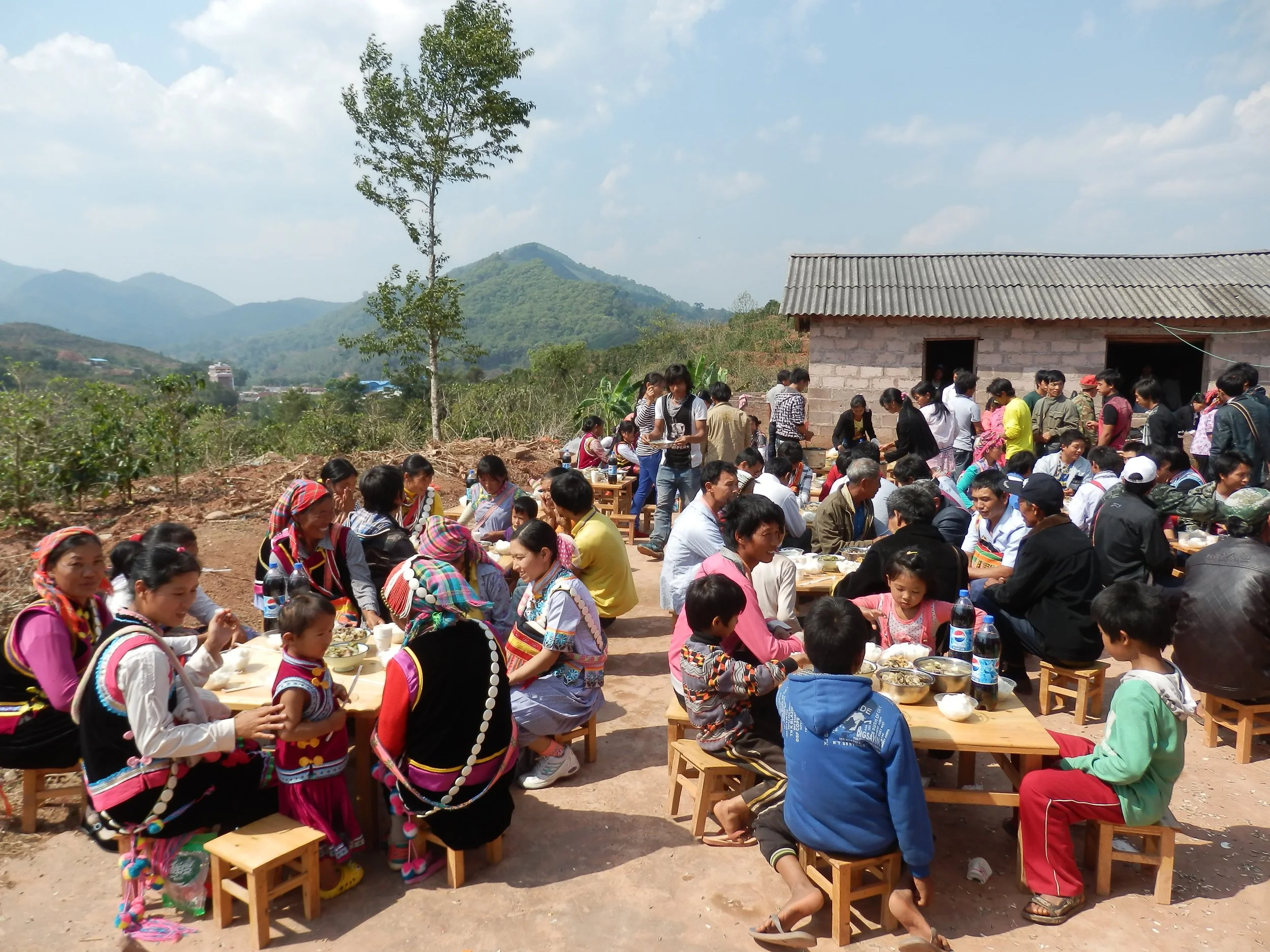
Thailand is ethnically diverse and home to many hill tribe communities in the north, including Karen, Lisu, Hmong, and Akha peoples. Despite modernization and economic growth, the country continues to face political tensions, economic inequality, and conflict in its southern provinces where Malay-Muslim separatist movements remain active.
AMC is actively working among the Lisu hill tribe to spread the Gospel. Of the Lisu population in Thailand, only about 30% are Christian. The remaining 70% continue to practice animism, or spirit worship, often motivated by fear rather than hope. The Lisu Bible Institute serves as an effective way to educate and train Lisu Christians to share the Gospel within their communities; many of which continue to be unreached.